2025-2026 Translating Practice into Research (TPIR) Program Applications Now Open
The Translating Practice into Research (TPIR) Program is now accepting applications through September 15, 2025.
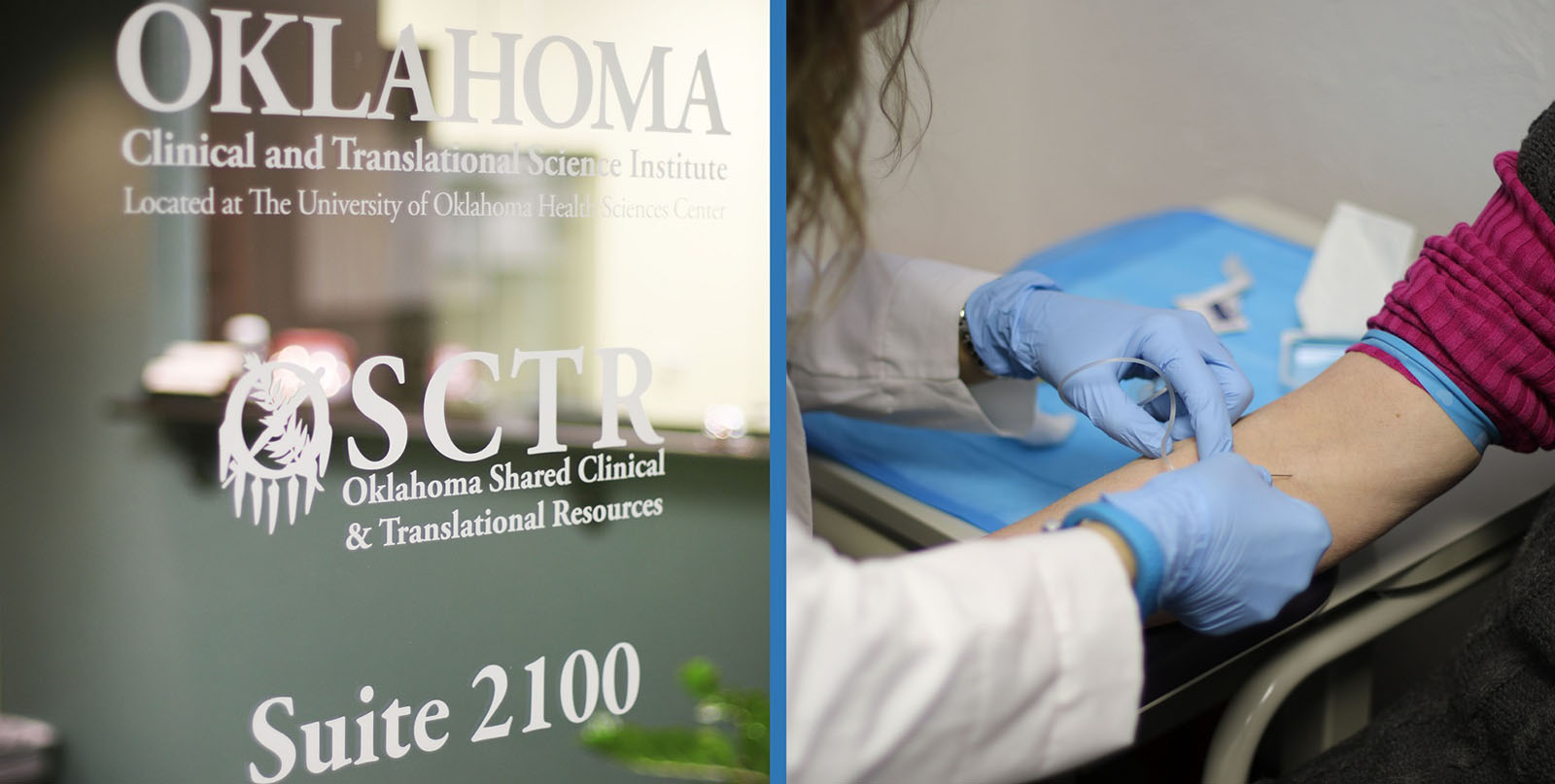
Oklahomans have unprecedented access to innovative clinical trials because of OSCTR facilities, expertise, and data resources
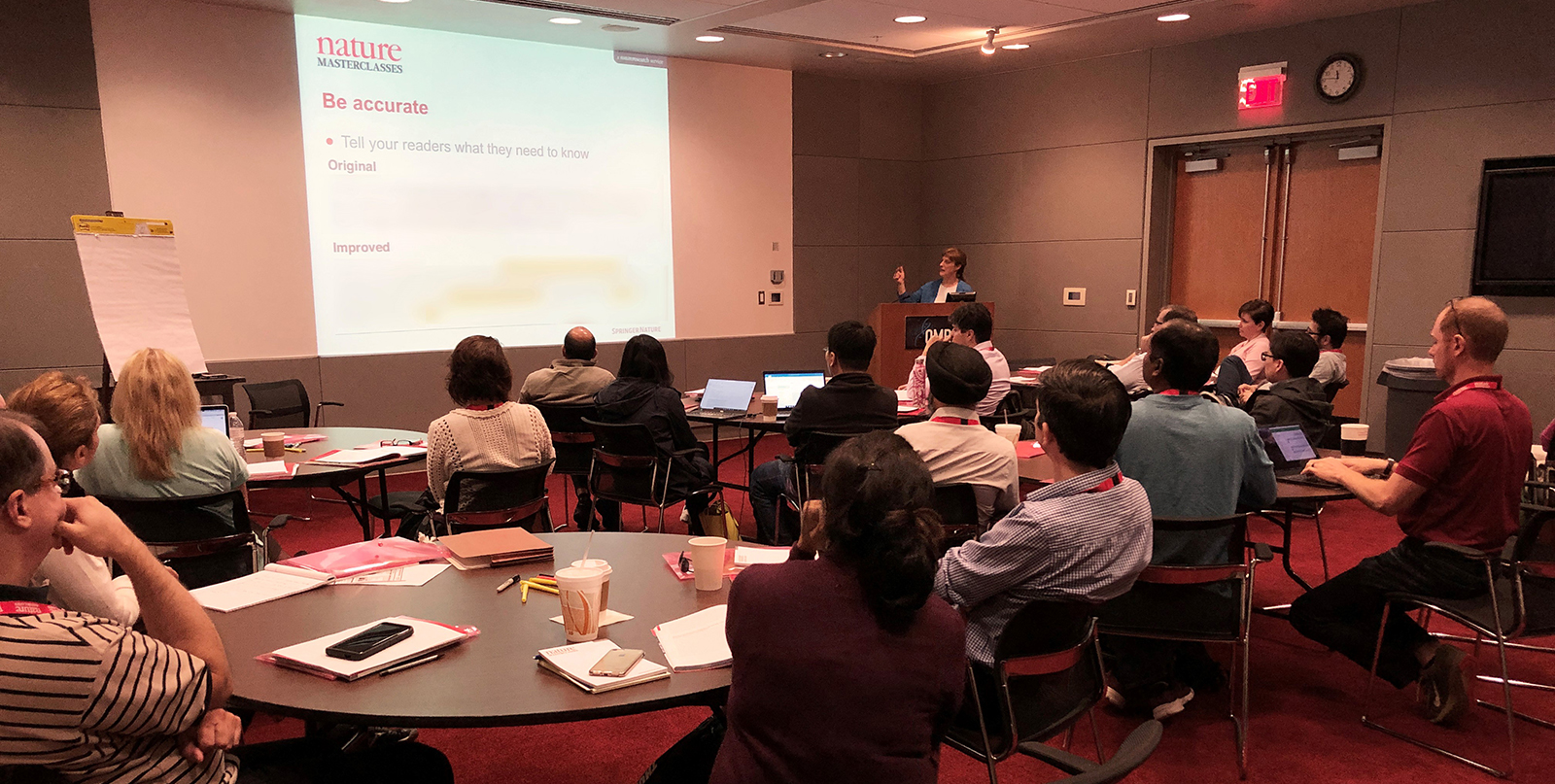
With OSCTR Pilot funding, training, and mentoring, 50 new investigators have garnered over $90M in external funding.

Our mission is to improve health by catalyzing clinical and translational research that addresses Oklahoma's top health priorities.

OSCTR is Oklahoma's NIH-funded IDeA-CTR that provides resources, information, and training to help individuals or communities involved in performing clinical and translational research in the state

OPHIC is the implementation science arm of a statewide network to help improve healthcare delivery assisting primary care practices to adopt evidence-based best practices for the care of their patients.

The OCTSI CRU assists medical providers to identify and conduct clinical research opportunities in Oklahoma.






The Translating Practice into Research (TPIR) Program is now accepting applications through September 15, 2025.
Across large areas of Oklahoma and the nation, primary care clinics are a lifeline, providing care for people who otherwise would have to travel many miles to see a doctor. To increase access to vital health care, the National Institutes of Health announced an ambitious new initiative to integrate NIH-funded clinical trials into routine patient care in areas like rural Oklahoma and within Tribal nations.
The National Institutes of Health has awarded the University of Oklahoma a five-year, $17.2 million grant to partner with tribal nations and communities to improve cancer outcomes. Research has shown that the American Indian and Alaska Native population in Oklahoma experiences a 36% higher incidence of cancer and a 73% higher death rate from cancer than faced by the U.S. general population.
Judith A. James, M.D., Ph.D., associate vice provost for clinical and translational science and professor of medicine at the University of Oklahoma Health Campus, has been elected to the National Academy of Medicine for her work in the field of autoimmunity and autoimmune disorders.
She is the first woman from an Oklahoma institution – and fifth overall Oklahoma-based scientist – to be selected for this prestigious honor, which is widely considered one of the highest honors in the fields of health and medicine.
Copyright © 2026 The Board of Regents of the University of Oklahoma. All rights reserved
Disclaimer
|
Copyright
|
Equal Opportunity Employer
Built and Managed by the OCTSI. Base theme by Zymphonies